Where to Stay in Seoul: An Honest Neighbourhood Guide for First-Timers
Seven areas, what each is actually for, and the two scheduling rules that will wreck your trip if nobody tells you.
Published 7 September 2026 · Facts checked 6 October 2026
By Sunday Morning
The short answer
If this is your first trip and you want the fewest decisions: stay in Myeongdong. It is the most connected to the airport by bus and it is where most first-time visitors end up anyway.
If you are flying in and out of Incheon more than once, or you want to be out late: stay in Hongdae. It is the only one of these areas with a direct airport train from its own station.
Everything below is the honest version of why, and what each area costs you.
Seven areas, honestly
Myeongdong
Lines: Myeongdong Station, Line 4 only. Euljiro 1-ga (Line 2) and Hoehyeon (Line 4) are both walkable.
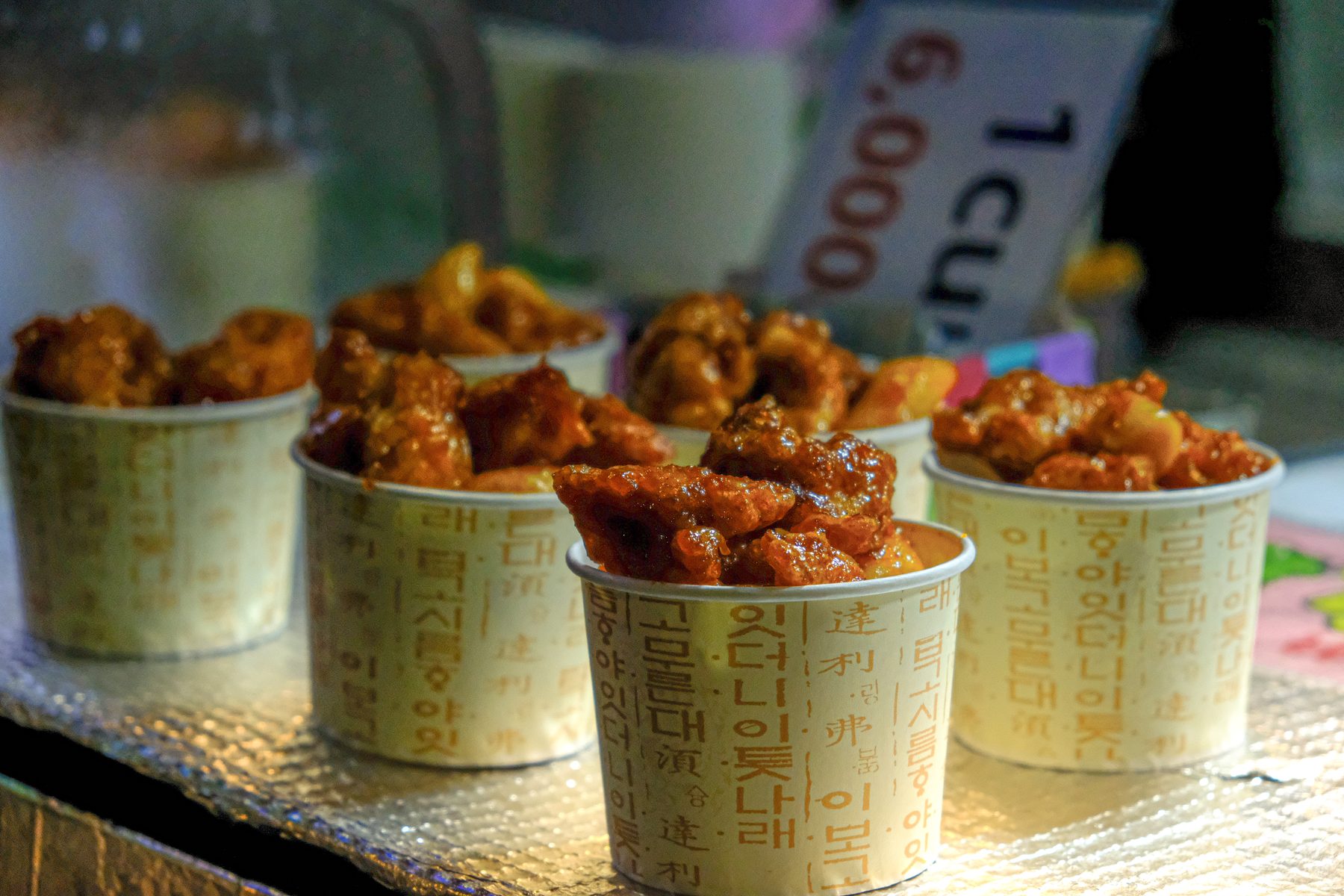
What it is: the densest concentration of tourist-facing retail in the old city. Cosmetics stores, department stores, street food stalls, Myeongdong Cathedral.
Why it works: airport bus 6015 stops here. That is the single biggest practical advantage in this list, because it means one vehicle from the terminal to your street with a suitcase.
The honest downside: Myeongdong Station sits on one line. Reaching anywhere on Line 2 or Line 3 means a transfer, and there is no direct train to Incheon from here.
Small thing worth knowing: there is a free shuttle between Myeongdong Station Exit 1 and the Namsan cable car base station, running every 30 minutes. The operator publishes 12:00 for the first bus and 20:30 for the last, timed from the cable car car park end, and about 10 minutes for the run down to Exit 1.
Hongdae and Yeonnam
Lines: Hongik University Station serves three — Line 2, the AREX airport line, and the Gyeongui-Jungang Line.
What it is: indie music, clubs, street art. Yeonnam-dong sits just north-west of the station along the Gyeongui Line Forest Park, and is the calmer café half of the same area.
Why it works: it is the only area here with a direct airport rail station. No transfer to Incheon, in either direction.
The honest downside: volume, and noise. This is a nightlife district and the Line 2 concourse is the pressure point in the station.
Jongno, Insadong and Bukchon
Lines: Anguk (Line 3) is closest — Exit 5 for Insadong at 418 m, Exit 3 for Changdeokgung, Exit 1 for Jeongdok Public Library. Jonggak (Line 1) and Jongno 3-ga (Lines 1, 3 and 5) serve the wider district.
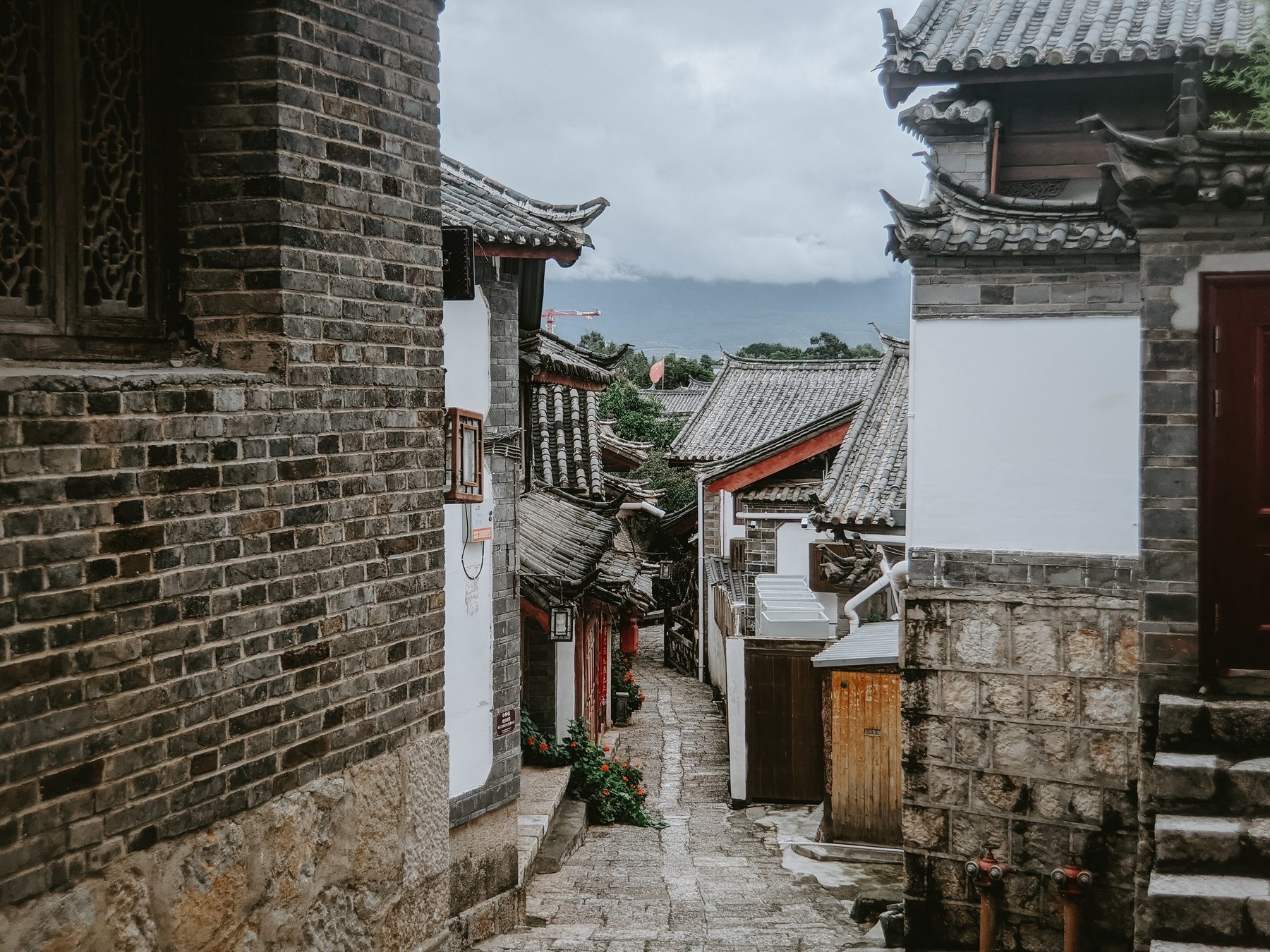
What it is: the palaces, the hanok streets, Insadong’s craft and tea shops. Gwangjang Market is a short ride away at Jongno 5-ga on Line 1, Exit 8.
Why it works: you can walk to more of the things you came to see than from anywhere else on this list.
The honest downside: this district has more rules than any other in Seoul, and they are covered in the next section because they are the thing most guides get wrong.
Itaewon and Hannam
Lines: Itaewon (Line 6). Noksapyeong and Hangangjin, also Line 6, sit either side.
What it is: international restaurants and shops, embassy row along the main road, and Hannam-dong’s galleries and boutiques on the hill to the east.
Why it works: the widest range of non-Korean food in the city, and the most English-language service.
The honest downside: Line 6 only, and Line 6 touches neither Seoul Station nor Myeongdong. Every airport journey from here needs at least one transfer.
Gangnam and Samseong
Lines: Samseong (Line 2), Exit 5 or 6 straight into COEX Mall — the mall’s own directions name both. Gangnam Station (Line 2 and the Sinbundang Line) anchors the other end of Teheran-ro.
What it is: the business district. Big hotel rooms, COEX and Starfield, Bongeunsa.
Why it works: if you are here for a conference or you want a full-size hotel room, this is where the supply is.
The honest downside: Samseong is on Line 2 alone, it is a long way from the palaces, and the Yeongdong-daero underground interchange beside the station is a live problem. The contractor reported in November 2025 that reinforcing bar had been left out of columns on basement level five. Seoul says the strengthening work has taken the structure past its original design load, but the national inspection has been extended to 20 November 2026, and GTX-A trains that were due to start passing through Samseong in August 2026 are still delayed. We have removed the 2028 opening date we printed before: no official source states a completion year for this.
Dongdaemun and DDP
Lines: Dongdaemun History and Culture Park Station puts Lines 2, 4 and 5 under one roof. Exit 1 for DDP, about 37 metres away. Exit 14 for Cheonggyecheon.
What it is: Zaha Hadid’s Dongdaemun Design Plaza, the all-night fashion wholesale malls, and the retail malls around them. DDP is open 10:00 to 20:00 every day, closing only on 1 January, Lunar New Year’s Day and Chuseok. No ticket is sold for the building, but DDP publishes no statement anywhere that entry is free, and the exhibitions inside are separately ticketed, some free and some not. We printed “entry to the complex is free” before and we should not have.
Why it works: three subway lines without changing buildings, and an airport bus to the door. The route is 6001, not 6015 — we had that wrong until we read the operator’s own stop list. 6001 runs Dongdaemun, Myeongdong, Seoul Station, Yongsan. 6015 does not go near Dongdaemun at all.
The honest downside: the district’s clock is inverted. The wholesale trade peaks overnight and a lot of it is shut during the day.
Seongsu and Seoul Forest
Lines: Seongsu (Line 2), which carries the co-name 성수(무신사)역 after Musinsa took the naming rights in service from 10 December 2025. Ttukseom (Line 2) and Seoul Forest (Suin-Bundang Line) also serve the area.
What it is: converted-factory cafés, pop-up stores, brand flagships, and Seoul Forest itself, which is open 24 hours and free.
Why it works: it is where the city’s attention actually is right now. Of every station on Seoul Metro’s own network, Seongsu had the largest increase in adult-fare boardings in the first half of 2026 — up 1,459,282 to 8,902,747, a rise of 19.6%.
The honest downside: four exits for 114,194 passengers a day, which is Seoul Metro’s own daily average for the first half of 2026, boardings and alightings together. We previously printed around 80,000, which was the 2023 figure. Exit 3 carries the heaviest evening load and the fix is still being built: a fifth entrance, numbered 3-1, went to tender in November 2025 and is due to be finished by December 2026. It is not open yet. And Yeonmujang-gil, the main street, is a designated pedestrian street every Saturday and Sunday from 14:00 to 18:00 until 29 November 2026 — residents’, workers’ and delivery vehicles are still partly allowed, and it is called off in bad weather.
The two rules that will wreck your trip
Nobody tells you these and they cost people whole days.
Rule one: the palaces close on different days. Gyeongbokgung closes every Tuesday. Changdeokgung closes every Monday. If you book two nights in Jongno landing Monday and Tuesday, you will miss both. That stays true inside the free-admission window from 29 October to 15 November 2026 — free does not mean open.
Rule two: Bukchon Hanok Village has a legally enforced curfew. The Red Zone, about 34,000 square metres around Bukchon-ro 11-gil, is open to visitors from 10:00 to 17:00 only. Outside those hours tourist visiting is prohibited and the fine is ₩100,000. It came in on 1 November 2024, fines have been enforceable since 1 March 2025, and Jongno-gu still publishes it as current policy. Residents, their family and friends, shop customers and people simply passing through are exempt — but taking photographs, lingering to look around, or wandering the street for sightseeing all count as tourist acts and are finable even then. So do not plan a sunrise photo walk there. Charter buses are a separate rule: they have been banned outright from Bukchon-ro and the lanes around it since 1 January 2026, at ₩300,000 for a first offence.
One piece of autumn timing. From 7 October 2026 the main grounds at Changdeokgung, Changgyeonggung and Jongmyo are free every Wednesday. Gyeongbokgung is not in that scheme and Changdeokgung's Secret Garden is not either. Then from 29 October to 15 November 2026 all four palaces, Jongmyo and the royal tombs are free outright — Secret Garden still excluded, weekly closing days still in force, and the guided tours run 30 minutes shorter through that window.
- Subway base fare, transit card
- ₩1,550
- Single-journey subway ticket
- ₩1,650 plus a ₩500 refundable deposit
- City bus, transit card
- ₩1,500₩1,400 on circular and differential-fare routes
- Night bus
- ₩2,500Card or cash, no early-bird discount
- First ride before 06:30
- 20% off the base fareTransit card only, and not if you arrive by transfer
- Airport bus from Incheon, non-stop
- ₩17,000 adult₩16,000 via Gimpo, ₩10,000 on the night service
- Airport bus to Myeongdong
- Route 6015
- Airport bus to Hongdae, Sinchon and Jongno
- Route 6002
- Airport bus to Dongdaemun and Seoul Station
- Route 6001
- Airport train, all stops, Terminal 1
- ₩4,750 to Seoul Station, 59 min₩4,650 to Hongik University
- Airport train, express
- ₩13,000 adult, 43 min from Terminal 1₩12,500 booked as a member
- Gyeongbokgung in October
- 09:00 to 18:00, ₩3,000Last entry 17:00, closed Tuesdays
- Gyeongbokgung in November
- 09:00 to 17:00Last entry 16:00
- Changdeokgung
- ₩3,000 palace plus ₩5,000 gardenTwo tickets, not one. Closed Mondays
- Changdeokgung on Wednesdays
- Palace free from 7 Oct 2026Garden excluded. Gyeongbokgung excluded
- All four palaces and Jongmyo
- Free 29 Oct to 15 Nov 2026Closing days still apply, Secret Garden excluded
- Bukchon Red Zone
- Visitors 10:00 to 17:00 only₩100,000 fine outside those hours
- Bukchon charter buses
- Banned since 1 Jan 2026₩300,000 first offence
- Gwangjang Market
- 09:00 to 18:00, closed SundaysFood alley 09:00 to 23:00 daily, vintage arcade 10:00 to 19:00 closed Sundays
- DDP
- 10:00 to 20:00 dailyClosed only 1 Jan, Seollal and Chuseok
- Seoul Forest
- Open 24 hours, freeSeoul Tourism Organization, page revised 10 Sep 2026
| Subway base fare, transit card | ₩1,550 |
|---|---|
| Single-journey subway ticket | ₩1,650 plus a ₩500 refundable deposit |
| City bus, transit card | ₩1,500₩1,400 on circular and differential-fare routes |
| Night bus | ₩2,500Card or cash, no early-bird discount |
| First ride before 06:30 | 20% off the base fareTransit card only, and not if you arrive by transfer |
| Airport bus from Incheon, non-stop | ₩17,000 adult₩16,000 via Gimpo, ₩10,000 on the night service |
| Airport bus to Myeongdong | Route 6015 |
| Airport bus to Hongdae, Sinchon and Jongno | Route 6002 |
| Airport bus to Dongdaemun and Seoul Station | Route 6001 |
| Airport train, all stops, Terminal 1 | ₩4,750 to Seoul Station, 59 min₩4,650 to Hongik University |
| Airport train, express | ₩13,000 adult, 43 min from Terminal 1₩12,500 booked as a member |
| Gyeongbokgung in October | 09:00 to 18:00, ₩3,000Last entry 17:00, closed Tuesdays |
| Gyeongbokgung in November | 09:00 to 17:00Last entry 16:00 |
| Changdeokgung | ₩3,000 palace plus ₩5,000 gardenTwo tickets, not one. Closed Mondays |
| Changdeokgung on Wednesdays | Palace free from 7 Oct 2026Garden excluded. Gyeongbokgung excluded |
| All four palaces and Jongmyo | Free 29 Oct to 15 Nov 2026Closing days still apply, Secret Garden excluded |
| Bukchon Red Zone | Visitors 10:00 to 17:00 only₩100,000 fine outside those hours |
| Bukchon charter buses | Banned since 1 Jan 2026₩300,000 first offence |
| Gwangjang Market | 09:00 to 18:00, closed SundaysFood alley 09:00 to 23:00 daily, vintage arcade 10:00 to 19:00 closed Sundays |
| DDP | 10:00 to 20:00 dailyClosed only 1 Jan, Seollal and Chuseok |
| Seoul Forest | Open 24 hours, freeSeoul Tourism Organization, page revised 10 Sep 2026 |
One thing that catches almost everyone
Your foreign Visa or Mastercard will not open the subway gate. You cannot tap a foreign contactless card on Seoul transit the way you can in London. Seoul has published the switch to EMV open-loop payment as a three-stage plan: EMV modules on bus terminals and the payment back office across 2025 and 2026, subway Lines 1 to 8 re-equipped in 2027, and village buses, private railways and the wider capital-region network between 2028 and 2030. It is not there yet.
Buy a transit card instead, from any CU, GS25, 7-Eleven or Emart24, including the convenience stores at Incheon Airport, and top it up with cash. We have taken the price range we printed before off this page: T-money’s own pricing pages were unreachable when we checked and we could not confirm it from any other official source. What we can confirm is that a physical Climate Card costs ₩3,000, and T-money’s K-Pass Basic card carries a recommended price of ₩4,000.
One thing did change in your favour. Since 17 March 2026 a foreign-issued Visa or Mastercard works at the new ticket machines — 440 of them across 273 stations on Lines 1 to 8 — to buy single-journey tickets and to buy and charge a short-term Climate Card. Kakao Pay and Naver Pay work there too. Seoul states an average service fee of about 3.7% on foreign-card payments, so it is convenience rather than a saving.
There is also a short-term transit pass, the Climate Card, and the prices we could not confirm in September are now published. One day ₩5,000, two days ₩8,000, three days ₩10,000, five days ₩15,000, seven days ₩20,000, with a ₩13,000 seven-day rate for 13 to 18 year olds. The physical card is ₩3,000 on top. It runs from the first train at 04:00 on the day you charge it to the last train of the final day, and it cannot be charged in advance — so for a two-night trip the two-day pass beats two one-day passes.
What it covers, and what it does not. Subway inside Seoul, and buses licensed by Seoul including night and circular routes. It excludes the Sinbundang Line, GTX, subway outside Seoul, express and airport buses, and buses licensed by other authorities. It does not cover Ttareungi bikes or the Han River bus — the city prints that exclusion inside the price block itself, and any page telling you otherwise is out of date. Incheon Airport is alight-only: you can ride out to the terminals on it, but you cannot start a journey there. Gimpo Airport is covered, which we could not confirm last time and now can, on Line 5, Line 9 and the airport railway — but not on the Gimpo Goldline, where the card works in neither direction.
So where should you actually stay?
- First trip, one week, want it easy: Myeongdong.
- Flying Incheon, hate transfers, out late: Hongdae.
- Here for the palaces and hanok: Jongno, and read the two rules above twice.
- Second or third trip, here for the city as it is now: Seongsu.
- Conference, or you need a big room: Gangnam.
- You want three lines and you shop: Dongdaemun.
- You want to eat everything that isn’t Korean: Itaewon.
If you’re staying nearby
Sunday Morning
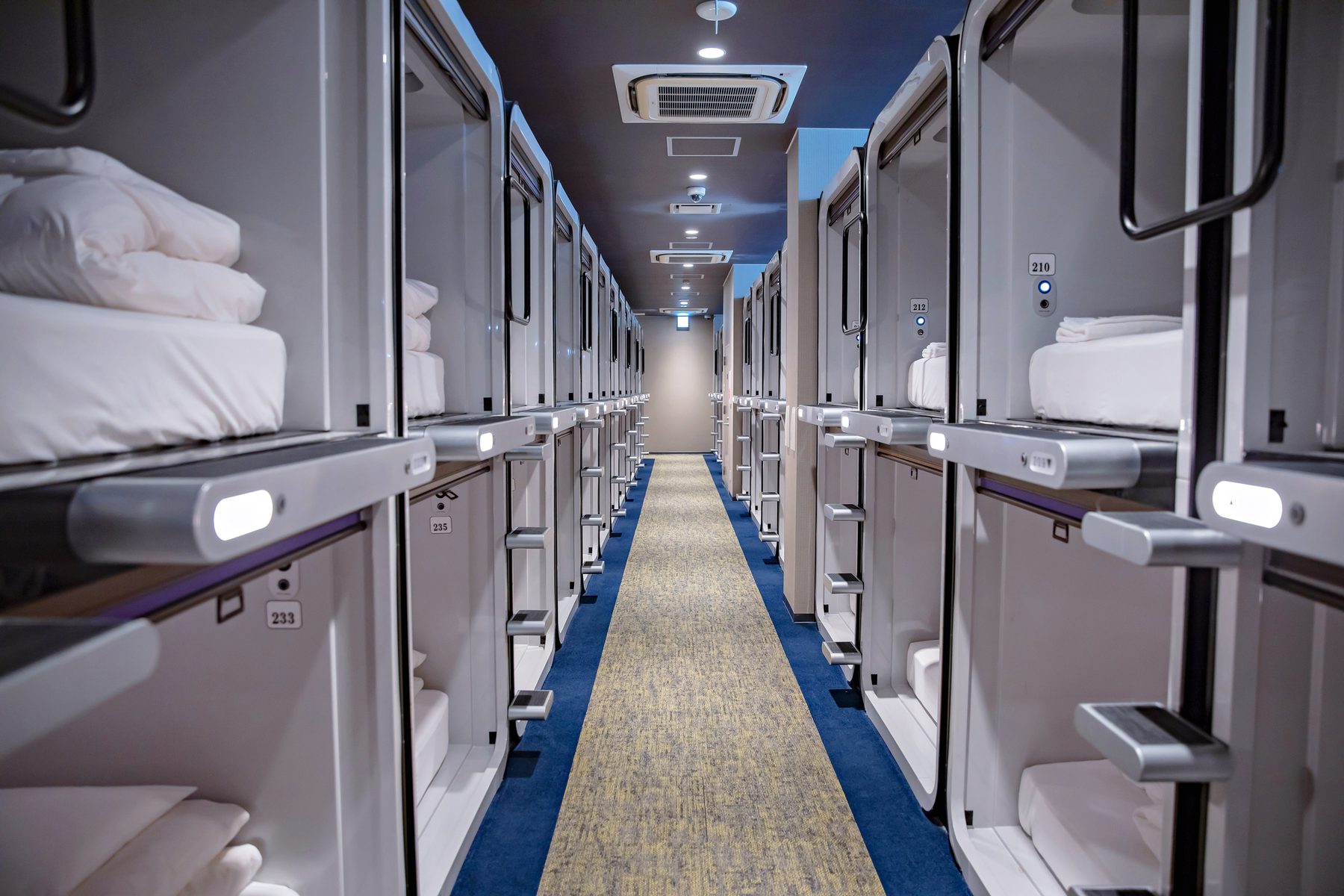
- Sunday Morning is a capsule hotel in Jongno-gu, a short walk from Gwanghwamun, which puts it inside the palace district covered above.
- Capsules start at ₩49,000, check-in is self-service around the clock, there is a female-only floor and lockers are free.
- If you are staying with us, the two rules in this guide apply to your street.
Sources
- Seoul Metropolitan Government, public transport fare guide
- Seoul Transportation Corporation, fare and ticketing pages
- Airport Limousine, route and fare tables
- Incheon International Airport, bus route index
- AREX, all-stop and express fares and journey times
- Seoul Metropolitan Government, open-loop payment rollout plan, 16 October 2025
- Seoul Metropolitan Government, foreign cards at station ticket machines, 16 March 2026
- Seoul Metropolitan Government, Climate Card short-term pass and its service-range lookup
- Korea Heritage Service, palace hours, admission, and the October to November 2026 notices
- Korea Heritage Service, Culture Day free-opening expansion notice, 28 May 2026
- Jongno-gu Culture Platform and Seoul Hanok Portal, Bukchon visiting restrictions
- Seoul Tourism Organization, Visit Seoul: market, DDP, Seoul Forest and station listings
- Seoul Transportation Corporation press releases, Seongsu Station ridership and Exit 3-1
- Seongdong-gu, Yeonmujang-gil pedestrian street notices, 17 and 29 September 2026
- Seoul Metropolitan Government spokesperson, Yeongdong-daero statements, 19 May and 17 September 2026
- Namsan Cable Car, shuttle bus timetable
Facts re-verified from scratch on 6 October 2026 rather than carried over from the September version. Seven of them had changed or were wrong, and we have said so in the text where it mattered. Fares, hours and rules change. If you find something here that is out of date, tell us and we will check it again.
Photography licensed via Freepik. Images are illustrative and may not show places exactly as they are today.
Related guides
- One Night in Seoul, Alone: Where to Stay and What to CutA night and a day is not much time. The whole trick is removing journeys, not adding sights.
- Arriving in Seoul at 5am? Here's Exactly What to Do Until Check-InThere are two genuinely hard times to land in Seoul. Here is what is running, what is open and what a bed costs in each of them.
- 3 Days in Seoul Without Wasting OneComing soon